May 16, 2026 · Paul Holdredge
Saturation in Training
Being a pilot can be mentally demanding, and flight training even more so. Every student will feel overwhelmed at some point in the cockpit. Here’s how to recognize task saturation and manage it.
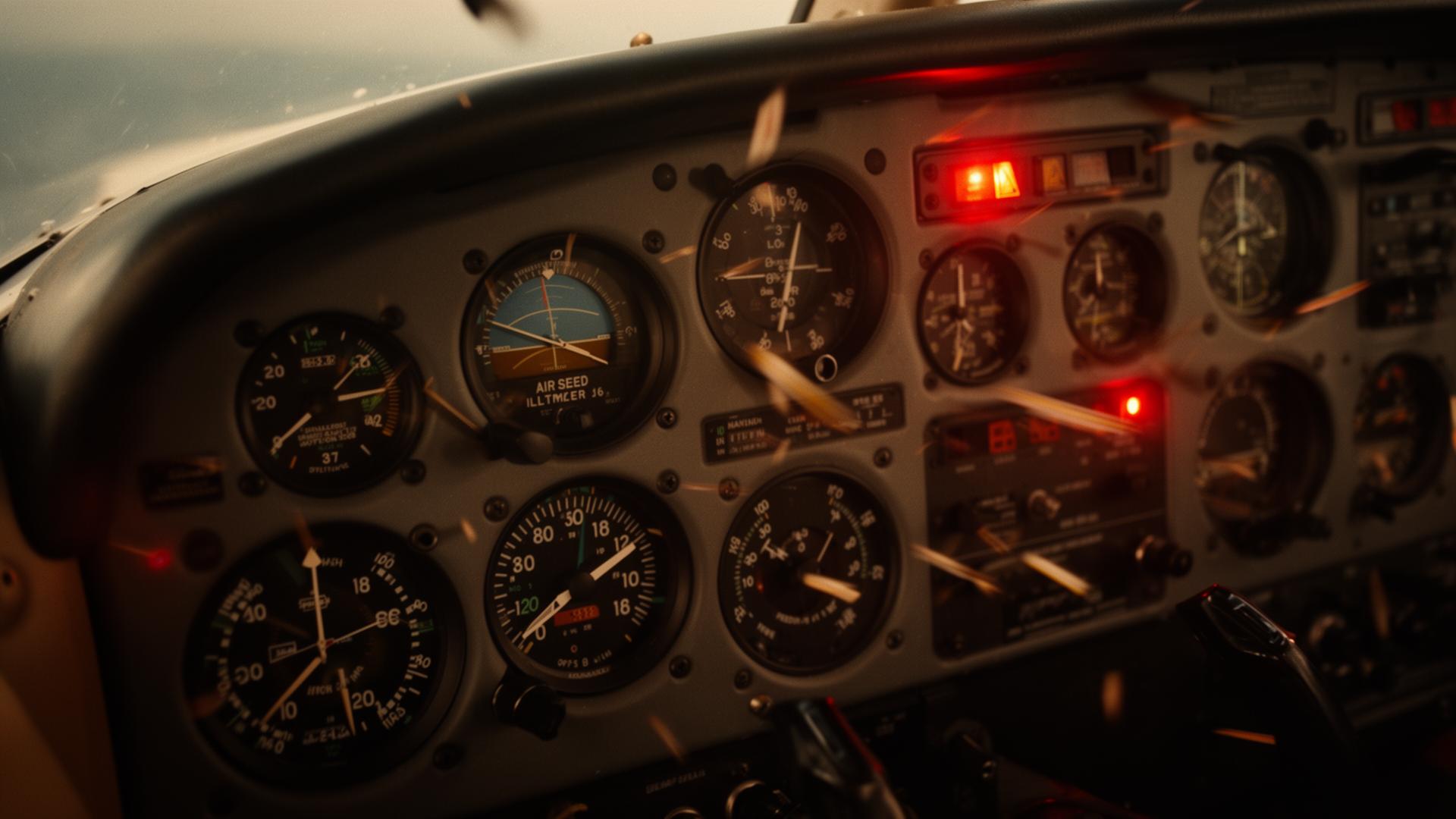
After three days of training in the heat and elevation, I was tired. “Apache 39G, turn right heading 090, course to intercept the localizer.” I rolled the aircraft and began to work the avionics for another approach. The turbulence made the instruments wobble, my fingers searching for buttons that now seemed ever smaller. Suddenly the airplane yawed and I immediately began the engine-out procedure. I watched as the instruments showed my heading far off, altitude lost, and the GPS in the wrong mode.
Another time, Pete came out for a lesson. He was a good student, still early in training. After an hour of maneuvers, I could tell Pete was getting tired. Good Fall weather had brought out many airplanes. Traffic alerts, tower readbacks, and changes in clearances filled our headsets. Suddenly, Pete let go. “I’m out,” he said calmly, and raised his hands as if under surrender. I asked him some questions, but he didn’t answer.
Maybe you’ve been there - so much going on, you can’t take it in. Not sure what to do first, your hands jumping from place to place. Maybe you start to feel hazy, sluggish, or can’t hear. You’re overloaded. When we’re in a new environment, or learning new things, our brains can perceive experiences as a threat. The “fight or flight” response can be triggered, where the brain prioritizes safety by shutting down what it thinks are low-priority activities.
In flight training, we’re often loaded with new situations, concepts, or actions simultaneously. Students are especially susceptible to overload because everything takes extra effort. You’re developing muscle memory, routines, and having to actively work to fly the airplane. Saturation is simply a sign that you’re working at full capacity.
What can you do as a student? Start by slowing things down. Use the tools you have, including the instructor. One tool to remember is Aviate, Navigate, Communicate. You’re trying to slow to a pace that you can manage. A simple checklist might be, Am I flying the airplane? What critical thing must I do next? What can wait?
Aviate
Aviate. Fly the airplane first. Focus outside if you can, and trust the flight instruments. Level the wings, set the power, trim the airplane for altitude. Use the autopilot if needed. Breathe.
Navigate
Navigate. Determine where you are. What is the next check point, fix, or pattern leg? Other details can wait.
Communicate
Communicate. Ask for help from your instructor or ATC. Follow up on position calls, or ask for a delay vector. Words like “standby”, “unable”, or “urgent” send clear signals that you need time and help.
If you’re feeling overwhelmed, you’re probably not learning at your best. It’s not a failure, it’s part of the growth process. You can ask your instructor to take over certain tasks (like managing the radio) while you catch up - that shows great crew resource management. In the debrief, talk about how you felt, how you managed it, and what you can practice to get stronger.
Good pilots recognize task overload and manage it. Whenever there’s a quiet moment, I ask my students, What can we be doing now? Plan the next step, load frequencies, set up the next checklist. Outside the cockpit, preparation can dramatically reduce overload by creating a mental map of what you’ll experience. Brief the flight, talk through maneuvers, study the knowledge material and charts. Drilling ATC communications, emergency procedures, and checklists in the days before a flight helps you stay on top of changes in the moment.
Recognizing and managing task saturation isn’t a failure, it’s part of training and a human response. What you need is preparation, structure, and repetition. If you feel overloaded, slow things down, fly the airplane, and prioritize. Stay ahead of the airplane by asking, “What can we be doing now?” Soon you’ll be juggling inputs like a pro.